
Smart Garage Shed Solutions: Optimize Your Space

A well-organised garage gives every tool, box, bike, and weekend project a proper place without turning the floor into an obstacle course. Smart garage storage is not about buying more bins; it is about designing a practical system around how you actually use the space. Whether your garage is a compact single bay, a family storage zone, or a hands-on workshop, the right mix of cabinets, shelving, wall storage, and clear zones can make it safer, tidier, and easier to live with.

What is the smartest way to organise a garage?
The smartest way to organise a garage is to start with zones, then choose storage that supports each zone. Put frequently used items where they are easy to reach, store bulky or seasonal gear higher or deeper, and keep the floor as clear as possible so the garage can still function for parking, projects, or movement.
Good garage storage design works best when it combines vertical storage, enclosed cabinets, open shelving, and dedicated garage tool storage rather than relying on one solution for everything.
Before you buy anything, take everything out or at least sort it into clear groups. Tools, gardening gear, sports equipment, car care products, camping supplies, paint, hardware, and household overflow all need different types of storage.
This step often reveals duplicates, broken items, and things that should not be stored in the garage at all.
A simple zoning plan might look like this:
Everyday access zone: tools, batteries, cleaning supplies, dog leads, reusable bags, or anything you grab weekly.
Workshop zone: power tools, hand tools, fixings, workbench space, protective gear, and task lighting.
Tall item zone: ladders, fishing rods, brooms, rakes, timber offcuts, and long-handled tools.
Seasonal zone: camping gear, Christmas decorations, extra heaters, sports equipment, or beach gear.
Hazard-controlled zone: paint, chemicals, oils, sharp tools, and anything that should be locked away or kept out of children’s reach.
Once the garage is mapped this way, choosing garage storage solutions becomes much easier. Instead of asking, “Where can I fit this cabinet?” you can ask, “What does this area need to do?”
Vertical space is the biggest opportunity
Most garage sheds have more unused wall space than floor space. That is why garage wall storage nz options are so useful in homes where the garage has to support several roles at once. Wall-mounted racks, pegboards, slatwall panels, hooks, shelves, and cabinets keep tools and equipment visible while freeing up the floor for parking, walking, or working.
Vertical storage is especially helpful for awkward items. Bikes, ladders, hoses, extension cords, garden tools, and folding chairs often create clutter because they do not fit neatly on a standard shelf. Hanging them securely on the wall makes them easier to find and reduces the risk of tripping over them.
The best wall storage is planned in layers. Keep heavy items lower, daily-use items around shoulder height, and lighter seasonal items higher. If you are installing shelving or wall panels, make sure fixings are suitable for the wall structure and expected load. A tidy wall is only useful if it is also safe and stable.
For small garages, vertical storage can be the difference between a space that constantly feels full and one that actually works. Even a narrow strip of wall beside the garage door can hold hooks, a slim cabinet, or a rail system for compact garage tool storage.
Which garage storage shed suits different spaces?
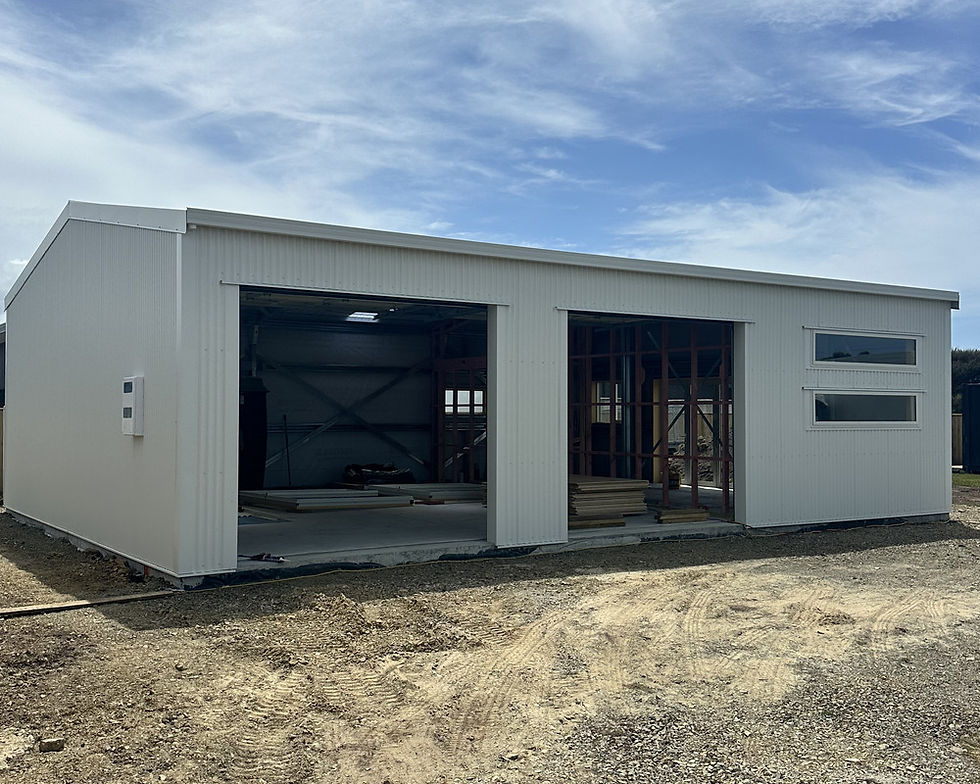
The best garage shed depends on how the garage is used. A garage that mainly stores household overflow needs different planning from a workshop, a bike-heavy family garage, or a space that still has to fit two vehicles.
The goal is to match the storage system to the daily routine, not force every garage into the same layout.
Garage type | Best storage approach | Why it works |
Compact single garage shed | Wall hooks, shallow cabinets, overhead shelves, narrow shelving | Keeps the floor open and avoids blocking vehicle doors |
Family storage garage shed | Labelled tubs, tall shelving, sports racks, locked cabinet | Separates frequent-use gear from hazardous or seasonal items |
Workshop garage shed | Workbench, tool drawers, pegboard, garage cabinets | Keeps tools visible, secure, and close to the work area |
Multi-purpose garage shed | Modular units, adjustable shelving, mixed open and closed storage | Allows the layout to change as needs change |
Vehicle-first garage shed | High wall storage, slim cabinets, ceiling-mounted options | Protects parking space while still adding storage capacity |
Modular garage storage sheds are a strong option when your needs are likely to change. You can start with one run of cabinets or shelving, then add drawers, pegboards, cupboards, or wall panels later. This is useful for growing families, hobbyists, renters who need flexible setups, or anyone gradually turning a basic garage into a more capable workspace.
For workshop storage sheds, drawers and pegboards are often more useful than deep cupboards. Small tools disappear in deep shelves, while shallow drawers keep fixings, blades, drill bits, tapes, and hand tools easier to sort. A pegboard or rail above the bench can hold the tools you reach for constantly, while heavier power tools sit in cabinets below.

Designing a layout that stays tidy
A tidy garage is not created once; it is maintained by a layout that makes putting things away easy. If storage is too high, too deep, too heavy, or too complicated, items will end up back on the floor. The best garage shed solutions homeowners can choose are the ones that reduce friction in daily use.
Start with the items used most often and give them the easiest locations. If you use a drill every weekend, do not store it behind camping gear. If the kids use helmets and scooters daily, do not put them on a high shelf. Convenience is what keeps a system alive after the first clean-up.
Use these design principles to create a layout that lasts:
Keep clear pathways. Leave enough room to walk, open car doors, and carry bulky items without shifting boxes first.
Store heavy items low. This reduces lifting strain and makes shelving safer.
Label containers clearly. Labels save time and prevent the “mystery tub” problem.
Group by activity. Keep car cleaning gear together, gardening gear together, and tools together.
Use transparent or consistent bins. Clear tubs show contents; matching bins stack neatly and look calmer.
Plan for growth. Leave some empty space so the system does not fail the moment you buy a new tool or hobby item.
Lighting is also part of good garage storage design. A dark garage makes even the best shelving frustrating to use. Bright, even lighting around the workbench, cabinets, and shelving zones makes tools easier to find and helps reduce accidents.
Small upgrades that make storage work harder
Not every improvement requires a full garage shed makeover. Sometimes a few targeted changes can transform how the space feels. A wall rail for garden tools, a lockable cabinet for chemicals, or a dedicated drawer unit for screws and fixings can remove daily frustration almost immediately.
Flooring can also improve how storage performs. A clean, sealed, or protected floor is easier to sweep and less likely to trap dust around storage units. It also makes the garage feel more like a usable room than a dumping ground. If water comes in under the door, consider keeping shelving raised slightly off the floor and storing vulnerable items in sealed containers.
Maintenance matters too. Wipe down cabinets, check for rust or loose fixings, clear dust from shelves, and review stored items at least a few times a year. Garages naturally collect things that “might be useful one day,” so regular editing is part of keeping the system efficient.
A seasonal reset works well for many households. Before winter, bring heaters, wet-weather gear, and indoor project tools forward. Before summer, make camping gear, sports equipment, and garden supplies easier to reach. This keeps the garage aligned with real life instead of turning storage into a static puzzle.
A practical garage storage checklist
Use this checklist before planning or buying new garage storage units nz wide, especially if you want a system that will last:
Measure wall height, width, ceiling clearance, and vehicle space.
Decide whether the garage shed must support parking, storage, a workshop, laundry overflow, or all of these.
Sort items into keep, donate, dispose, and relocate piles.
Choose enclosed garage cabinets for hazardous, valuable, or visually messy items.
Use open shelving for labelled tubs and bulky gear.
Add wall hooks, rails, or panels for long, awkward, or frequently used items.
Avoid moisture-sensitive materials in damp areas.
Keep heavy items low and lighter items higher.
Add labels so everyone in the household knows where things belong.
Leave room for future storage needs rather than filling every shelf from day one.
This checklist also helps prevent overbuying. More storage is not always the answer. Sometimes the better choice is fewer items, clearer categories, and storage that fits the space properly.
The takeaway
Smart garage storage is about making your garage shed more functional, organised, and easier to use every day.
By planning dedicated storage zones, making better use of wall space, and choosing durable storage solutions, you can transform a cluttered garage into a practical extension of your home or workshop. Cabinets, shelving, hooks, and modular storage systems can help keep tools, equipment, and everyday items organised while freeing up valuable floor space.
For garage sheds, workshops, or a complete garage storage upgrade, the key is to start with how you use the space. Anchored Steel can help you create a more organised and functional storage setup with durable solutions designed to make the most of your available space.
The right garage storage solutions can protect your equipment, improve safety, reduce clutter, and make it easier to find what you need when you need it.


Comments